Gotthard Tunnel accident: Wheel defect reveals systemic safety risks
Accident in the Gotthard Tunnel
The freight train accident in the Gotthard Tunnel in August 2023, which caused significant damage and disrupted rail traffic between Switzerland and Italy, revealed potential systemic safety risks in the European rail sector. According to the latest findings, the wheel defect that led to the derailment may have been the result of a broader issue related to modern braking systems. This article examines the causes of the accident, its consequences, and measures that can improve rail safety in the future.
Cause of the Accident: Wheel Defect and Brake Pads
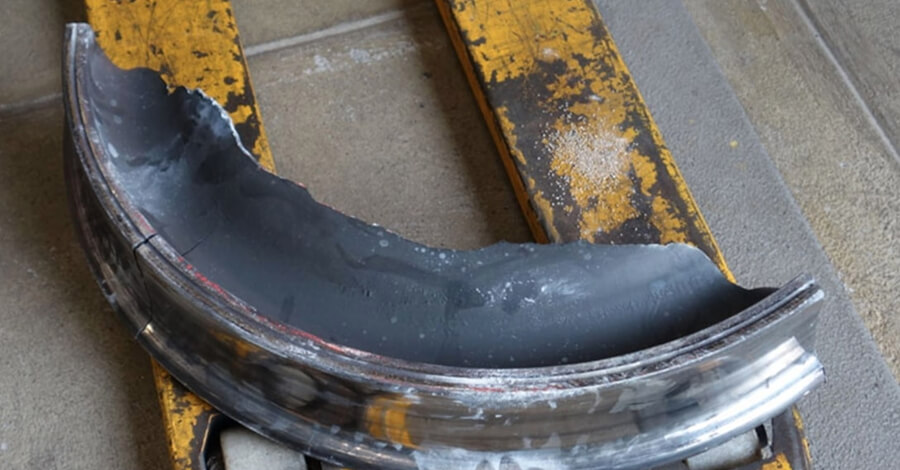
The investigation led by the Swiss Safety Investigation Board (SUST) confirmed that the derailment was caused by a cracked wheel on one of the wagons. According to the 2023 report, the crack in the BA 390-type wheel could not be detected with existing inspection technologies, leading to a recommendation to include these wheels in monitoring under the Joint Network Secretariat (JNS) Broken Wheels initiative by the EU Agency for Railways (ERA).
However, recent analyses suggest that the problem goes beyond individual wheels. A key factor may be modern brake pads made from composite materials. Unlike older cast iron pads, composite materials dissipate heat less effectively during braking. This accumulated heat can cause microcracks in wheels, which gradually grow into critical failures. This phenomenon could potentially threaten a large number of wagons across European rail networks.
Systemic Safety Risks in Rail Transport
The Gotthard Tunnel accident highlights systemic safety risks that go beyond individual train components. Key factors include:
- Insufficient defect detection: Current inspection technologies cannot reliably detect microcracks caused by thermal stress in wheels.
- Modernization of braking systems: While composite brake pads reduce noise and wear, they may have unforeseen impacts on wheel longevity.
- Lack of harmonized standards: Differences in maintenance procedures and technical norms across EU countries hinder the prevention of similar incidents.
These findings led ERA to issue new recommendations for classifying high-risk wheel types and procedures for their reprofiling. These recommendations, developed in collaboration with JNS and the Swiss Federal Office of Transport (FOT), complement earlier initiatives targeting the “broken wheels” issue from 2017 and 2019.
Consequences of the Accident and Measures Taken
The Gotthard Tunnel accident had a significant impact on regional rail transport. The western bore of the tunnel was severely damaged, requiring repairs estimated at 100 million euros. The tunnel, a key connection between Italy and the rest of Europe, was completely closed for several weeks, with partial reopening made possible by operating the eastern bore for freight trains. Full operations resumed only on September 2, 2024.
In addition to material damage, the accident exposed weaknesses in rail risk management. Based on ERA and JNS findings, the following measures were proposed:
- Improved detection technologies: Development of advanced wheel monitoring systems, including sensors for detecting thermal stress.
- Adjustment of braking systems: Reevaluation of composite brake pads and their impact on wheels, potentially introducing hybrid solutions.
- Enhanced maintenance procedures: Implementation of stricter standards for wheel inspection and maintenance, especially for high-mileage wagons.
- International cooperation: Expanding JNS activities to include additional wheel and brake system types to prevent similar incidents across the EU.
The Future of Rail Safety
The Gotthard Tunnel accident serves as a warning about the risks of modernizing rail technology without thoroughly testing its long-term impacts. Analysis of rail accidents like this one emphasizes the need for a proactive approach to rail safety. With increasing digitalization and the rollout of systems such as ERTMS (European Rail Traffic Management System), it is essential for safety standards to evolve alongside technological progress.
For professionals in the rail sector – from safety managers to maintenance technicians – this incident is an opportunity to reassess current procedures. ERA recommendations and JNS activities provide a solid foundation for improvement, but their success depends on coordinated implementation at both national and European levels.
Conclusion
The 2023 Gotthard Tunnel accident revealed systemic safety risks that could compromise the reliability and safety of rail transport in Europe. The wheel defect, potentially linked to brake pad issues, highlights the need for stricter inspections, more advanced technologies, and harmonized standards. Initiatives such as JNS and the new ERA recommendations offer hope for a safer future, but they require active collaboration among all stakeholders.